


Growing a clothing brand online isn’t just about creating great products; it's about developing a seamless sales funnel, optimizing your online presence, and using data-driven advertising strategies. At BitBranding, we’ve helped over 250 clothing brands grow online, many of which have scaled from startup to six figures monthly in revenue. In this guide, we’ll walk you through the key strategies for building a profitable clothing brand, covering everything from website optimization and traffic strategies to retention and SEO tactics.
How to Grow a Clothing Brand With a Strong Ecommerce Strategy
Learning how to grow a clothing brand requires more than driving more visitors to your website. A successful clothing business needs a strong ecommerce foundation, effective advertising, search visibility, customer retention, and a clear clothing brand marketing strategy. Each part of the customer journey should work together to turn traffic into customers and customers into repeat buyers.
For a Shopify clothing brand, the website is often the center of this entire process. Your store needs to make it easy for shoppers to discover products, understand sizing and benefits, and complete their purchases without unnecessary friction. This is where Shopify conversion optimization becomes especially important.
If you want to understand how to grow a clothing brand sustainably, focus on improving the entire customer journey rather than relying on one traffic source. Combining website optimization, clothing brand ads, SEO, social media, and retention can create a more predictable path to growth.
1. Master Your Shopify Store with Effective Website Optimization

Before diving into ads, you must ensure your website is built to convert visitors into customers. Your Shopify store is the core of your e-commerce funnel, so it should be optimized to prevent “leaks” that cause potential customers to drop off without making a purchase.
-
Leaky Bucket Strategy: Think of your website as a bucket—if it’s leaky, all your ad efforts will be wasted. Make sure all aspects of your website are designed to retain traffic and drive conversions. This means having a mobile-friendly, fast-loading website that’s free from unnecessary pop-ups and distractions.
-
Clickable Hero Images: Place clear, clickable images in your hero section with strong calls-to-action (CTAs) like “Shop Now” or “Browse Collection.” This makes it easy for users to navigate and purchase.
-
Simple Navigation: Highlight your top categories at the top of your site and add intuitive navigation for easy access. This allows customers to find products with minimal effort, reducing friction in the buying process.
-
Detailed Product Descriptions: Customers want to know exactly what they’re buying, so include thorough product descriptions with size details, model fit information, and a complete size chart. Incorporating lifestyle photos or short videos of models wearing the product can significantly improve conversion rates.
-
Use Multiple Product Images: Having at least three to six product images, including close-ups and various angles, can increase conversion rates by up to 30%. This helps customers feel more confident in their purchase, reducing returns and abandoned carts.
Shopify Conversion Optimization for Clothing Stores
Shopify conversion optimization focuses on turning more of your existing website visitors into customers. For a Shopify clothing store, this can involve improving product pages, simplifying navigation, strengthening calls to action, improving mobile usability, and providing detailed product information that helps shoppers make purchasing decisions.
A Shopify clothing brand should make the buying experience as straightforward as possible. High-quality product images, clear sizing information, customer reviews, shipping details, and compelling product descriptions can reduce uncertainty and help customers move from browsing to purchasing.
Effective Shopify conversion optimization also requires reviewing how visitors behave across your store. If shoppers are viewing products but not adding them to their carts, the product page may need improvement. If customers add products but abandon checkout, shipping costs, payment options, or checkout friction may need attention.
2. Traffic Strategy: Paid and Organic for a Winning Combination

Driving traffic is the lifeblood of an e-commerce store. There are two primary types of traffic you should focus on: paid and organic. At BitBranding, we recommend using a combination of both to create a scalable, sustainable growth strategy.
-
Paid Traffic with Facebook and Instagram Ads: Paid ads offer fast, targeted results. Start with small test campaigns to identify which creatives and audiences perform best. Once you find winning combinations, gradually scale up the budget.
Creating Effective Clothing Brand Ads
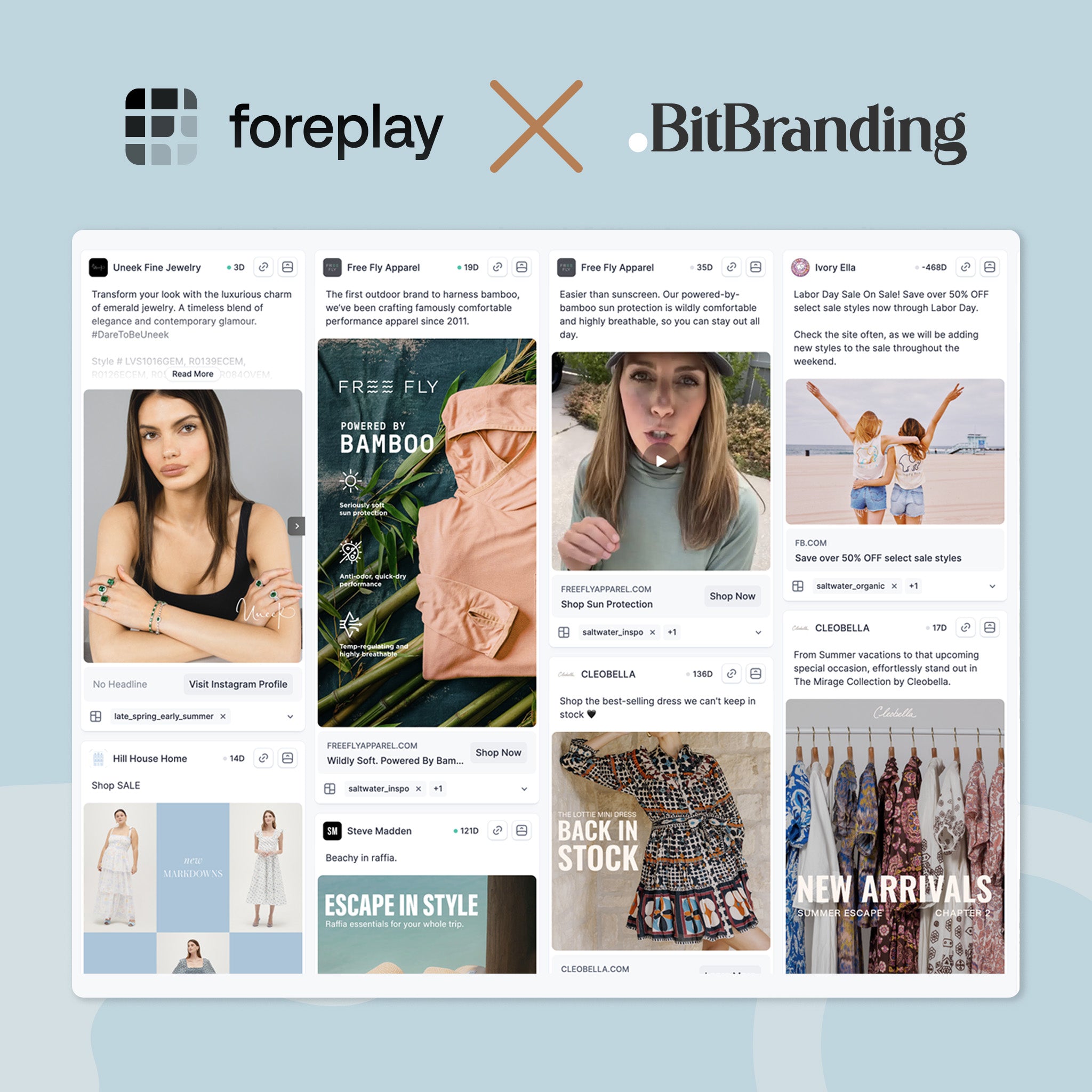
Once your website is ready to convert visitors, clothing brand ads can help bring targeted traffic to your products. Facebook and Instagram are particularly useful for clothing businesses because visual creative can showcase products through lifestyle photography, styling videos, UGC, product demonstrations, and customer testimonials.
For a Shopify clothing brand, your advertisements should connect directly with the product pages customers land on. The product, offer, imagery, and messaging in your clothing brand ads should match the experience on your website. Consistency between the advertisement and landing page can help reduce friction and create a more cohesive customer journey.
Testing is also an important part of successful clothing brand ads. Instead of assuming one creative will work indefinitely, test different hooks, formats, product presentations, offers, and messaging. Use performance data to identify which combinations are generating profitable traffic and sales.
-
Organic Traffic: Organic reach can’t be ignored, especially on platforms like Instagram, YouTube, and TikTok. Consistency is key—post engaging, high-quality content regularly. Aim for at least 10 Instagram reels per month. Instagram, YouTube, and TikTok are especially effective for clothing brands, as they allow you to showcase products visually and creatively.
-
Instagram Reels: Use Reels to reach new audiences and showcase new product lines or behind-the-scenes content.
-
YouTube: This platform is often overlooked, but it’s a valuable resource for reaching audiences with higher disposable income. Use YouTube to discuss new arrivals, style tips, or trending fashion ideas.
-
Engaging Content: Focus on storytelling, behind-the-scenes videos, influencer collaborations, and user-generated content (UGC) to build a genuine connection with your audience.
SEO for Clothing Brands: Building Long-Term Organic Traffic
SEO for clothing brands can provide a sustainable source of traffic that complements paid advertising. While clothing brand ads can generate traffic quickly, organic search can continue bringing potential customers to your website long after a piece of content has been published.
A strong SEO for clothing brands strategy should include product-page optimization, category-page optimization, internal linking, keyword-focused blog content, technical SEO, and content that answers questions your target customers are searching for. For a Shopify clothing store, optimizing collection and product pages can be especially valuable because these pages can target commercial searches.
SEO should also be connected to your broader clothing brand marketing strategy. Blog content can introduce people to your brand, while optimized product and collection pages can help move those visitors closer to a purchase.
3. Engage and Nurture Your Customers on Social Media


Social media is more than a sales channel; it's a place to connect with and nurture your audience. Engaging consistently helps build trust, which leads to sales. Here’s how to create effective engagement on social media platforms.
-
Stories: Post three to seven Instagram Stories daily to build relationships with your followers. Stories offer a great place for behind-the-scenes looks, product demos, and direct communication.
-
Direct Messages (DMs): Sales happen in the DMs, so encourage customers to reach out with any questions they may have. Many customers will message you privately rather than comment on a post, so make sure you’re responsive and ready to assist.
-
Encourage Comment Engagement: To boost engagement, respond to comments on your posts right before posting a new Reel. This re-engages followers and increases the likelihood that they’ll engage with your new post.
Building a Clothing Brand Marketing Strategy
A successful clothing brand marketing strategy should bring together paid advertising, organic content, SEO, social media, email, and customer retention rather than treating each channel separately. Your messaging should remain consistent across your website, advertisements, social profiles, and customer communications.
For a growing Shopify clothing brand, your marketing strategy should also be guided by data. Track which products generate the most interest, which channels produce customers, which creatives receive engagement, and which campaigns contribute to revenue. This information can help you allocate your marketing budget more effectively.
Your clothing brand marketing strategy should evolve as your business grows. What works for a small brand may not work at the same scale later. Regularly reviewing your traffic, conversion rate, customer acquisition cost, and retention metrics can help you identify opportunities for continued growth.
4. Boost Organic Reach with Strategic SEO and Content

Search Engine Optimization (SEO) is a long-term strategy that builds a sustainable traffic flow to your website. Start by creating a blog on your site to share relevant content that answers popular search queries in your niche.
-
Skyscraper Technique for Blog Content: Find high-ranking articles on relevant topics, and then create your own version that offers more value. This may include in-depth guides, style tips, or trend forecasts for the upcoming season. For example, a blog post titled “Top Streetwear Trends for 2024” could attract traffic from people searching for the latest fashion trends.
-
Consistency: Aim to publish one or more high-quality blog posts each month. Google favors fresh content, so regularly updating your blog with well-optimized posts can help improve your search ranking.
Using SEO and Content to Grow Your Clothing Brand
If you're wondering how to grow a clothing brand without relying entirely on paid advertising, content and SEO should be part of your long-term strategy. Create useful content around styling, product selection, fashion trends, care instructions, seasonal guides, and questions your target customers commonly search for.
For a Shopify clothing store, this content can support both informational and commercial pages. Blog posts can attract visitors at the research stage, while internal links can guide those visitors toward relevant collections and products.
Understanding how to grow a clothing brand also means building multiple sources of traffic. SEO can bring organic visitors, social media can build awareness, and paid advertising can accelerate product discovery. Combining these channels creates a more balanced growth strategy.
5. Create a Strong Retention Strategy to Drive Repeat Business
Retention is essential for creating a sustainable business. It’s easier to sell to an existing customer than to acquire a new one. Use these strategies to encourage repeat purchases and build customer loyalty.
-
Lifetime Value (LTV): Aim to create a loyal customer base that makes repeat purchases. A balanced ratio of new and returning customers (such as 60% new and 40% returning) shows that you’re building a healthy, sustainable customer base.
-
Email and SMS Marketing: These channels offer a direct line to your customers and should be a cornerstone of your retention strategy. We recommend sending 2-3 emails per week and 1 SMS message weekly. Use these to announce new product drops, exclusive discounts, and holiday promotions.
-
Automated Flows: Set up automated email flows like a welcome series, abandoned cart recovery, post-purchase upsells, and re-engagement emails.
-
Segmenting Your Audience: Target customers who have engaged with your brand in the last 60 days for more relevant messaging, increasing the likelihood of conversions.
6. Implement a Customer Referral Program to Drive Organic Growth

Incentivize your customers to spread the word about your brand. Offer discounts or store credit to customers who refer friends. For instance, give a customer 20% off for referring a friend and offer the friend a 15% discount on their first purchase. This encourages customers to act as ambassadors for your brand, creating a sustainable referral loop.
7. Increase Ad Spend Strategically for Maximum Impact
Once your Shopify store is optimized and you have a solid customer base, you can consider increasing your ad spend to drive more traffic and sales. But be strategic. Simply doubling your ad budget won’t necessarily double your revenue.
-
Monitor Key Metrics: Pay attention to metrics like return on ad spend (ROAS), cost per click (CPC), and click-through rate (CTR) to gauge performance. If your ads perform well, gradually increase the budget.
-
Dynamic Creative Testing (DCT): Use Facebook and Instagram’s DCT feature to test different ad elements and find what works best. For clothing brands, carousel ads showcasing multiple products are particularly effective.
8. Building a Community and Encouraging Referrals
Beyond repeat purchases, building a brand community can create long-lasting customer loyalty. A dedicated group of brand advocates not only drives repeat sales but also helps generate organic reach as they share your brand with others.
-
Community Building: Create a Facebook group, Discord server, or Slack community where fans can connect, share styling ideas, and offer product feedback.
-
User-Generated Content (UGC): Encourage your customers to share photos of themselves wearing your products. UGC not only builds credibility but also provides valuable content you can repurpose on your social media and website.
How to Scale a Clothing Brand Profitably
Once your store, advertising, SEO, and retention systems are working together, the next step is understanding how to scale a clothing brand without sacrificing profitability. Scaling does not simply mean increasing ad spend. It means identifying the products, campaigns, channels, and customer segments that consistently produce profitable results.
For a Shopify clothing brand, scaling may involve increasing investment in successful clothing brand ads, expanding product collections, improving conversion rates, building stronger retention campaigns, and increasing organic visibility through SEO.
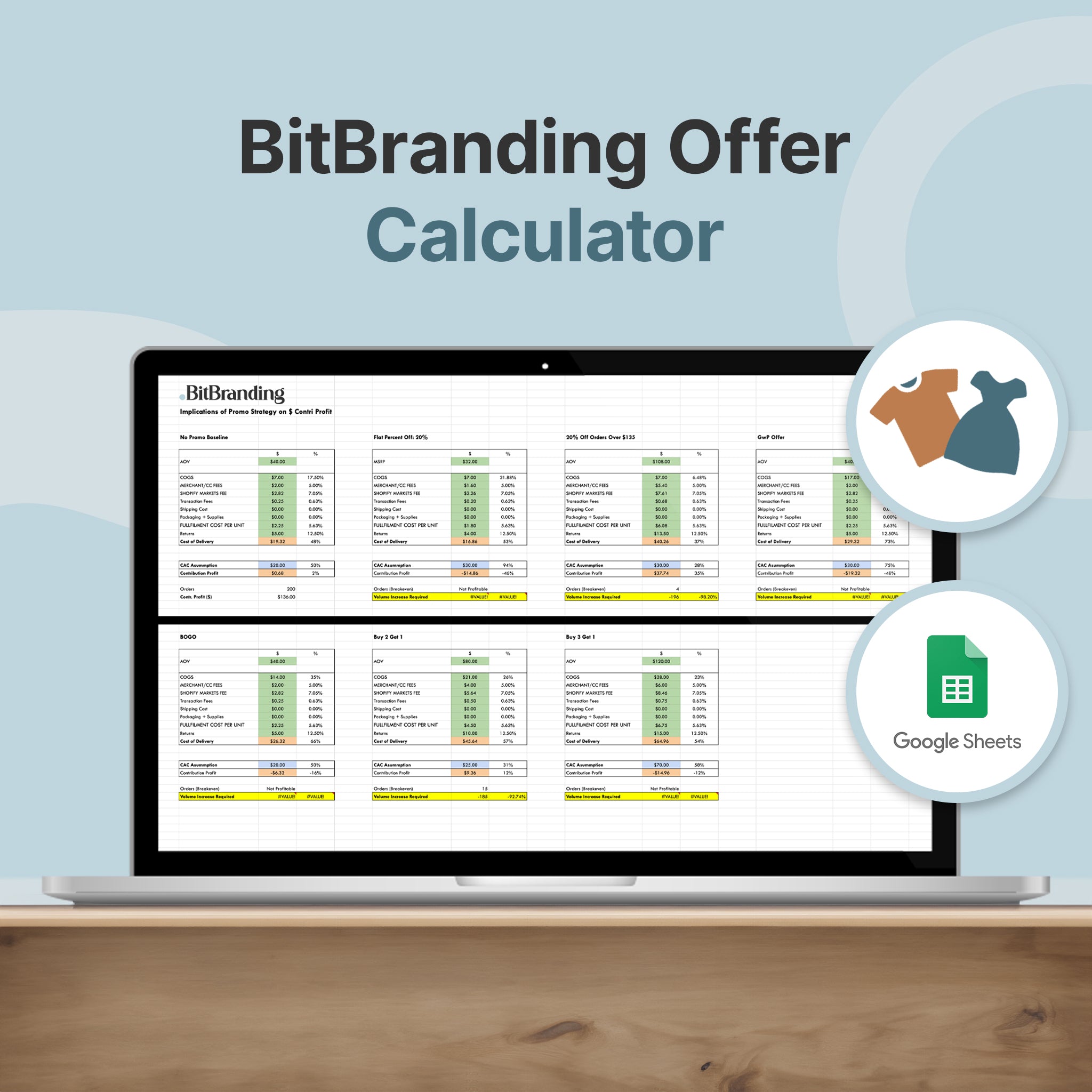
Learning how to scale a clothing brand also requires monitoring the numbers behind your growth. Keep track of customer acquisition costs, conversion rates, average order value, return on ad spend, profit margins, and repeat purchase rates. These metrics help determine whether increased revenue is translating into sustainable business growth.
Conclusion
Scaling a clothing brand online requires a multi-faceted approach that combines a strong website, targeted traffic strategy, customer engagement, and retention tactics. Each element builds on the other, creating a cohesive growth strategy that drives revenue and builds a loyal customer base.
At BitBranding, we specialize in helping clothing brands like yours grow profitably online. Whether you're a streetwear startup or an established boutique, our team of e-commerce and digital marketing experts is here to help you implement the right strategies for scalable growth.
Ready to take your brand to the next level? Schedule a free 45-minute strategy session with us today to see how we can help you scale. Visit BitBranding.co to get started!
Take the first step toward building a profitable, sustainable online clothing brand—contact BitBranding today!




Share:
How to Build a Successful Streetwear Clothing Brand Site on Shopify
27 Hours in NYC: Helping Clothing Brands Scale to $100K+